

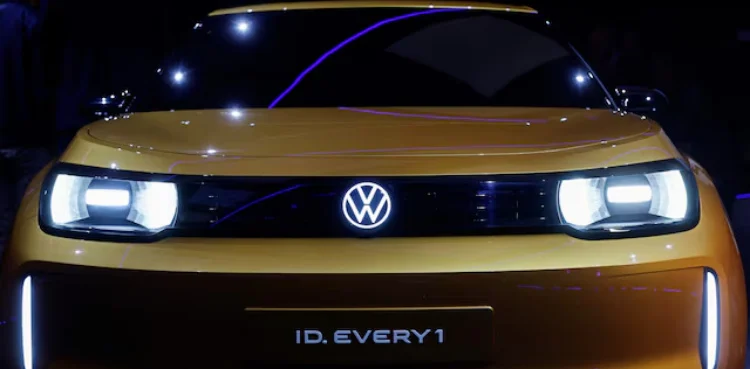
Volkswagen to Cut Costs by 20% by End of 2028
German automaker Volkswagen has announced plans to reduce its operating costs by 20% by the end of 2028. Company leaders said the move aims to strengthen competitiveness and improve profitability as the global automotive industry faces rising challenges and changing market demands.
Officials added that the cost‑cutting strategy will help Volkswagen adapt to shifts in technology, electrification, and supply chain pressures.
Background and Context
Volkswagen is one of the world’s largest carmakers. Like many global manufacturers, it has been navigating a transition towards electric vehicles, stricter emissions standards, and evolving consumer demand. These factors have put pressure on profit margins and prompted efficiency drives across the industry.
In recent years, automakers have sought cost optimisation to remain competitive, especially as production costs and investments in new technologies rise.
Key Details of the Plan
Volkswagen’s cost‑cutting drive includes:
- Streamlining operations across global units
- Reducing administrative expenses
- Improving production efficiency
- Renegotiating supplier contracts
Company leaders said they will focus on eliminating waste, simplifying processes, and achieving better economies of scale.
Additionally, Volkswagen plans to accelerate its shift to modular platforms and shared technology. This change is expected to lower production expenses over time.
Why the Move Matters
Executives say cutting costs is vital as the automotive market evolves. Higher costs for raw materials, logistics, and technology development have weighed on margins. Therefore, a leaner cost structure may help Volkswagen stay competitive against rivals.
Moreover, cost savings could free up funds for investment in electric and autonomous vehicle technologies.
Industry analysts say that efficiency improvements can position automakers better in a market where pricing pressure and innovation demands are high.
Challenges and Risks
Reducing costs at a large company can be complex. Some savings measures may involve restructuring or downsizing specific units. Volkswagen has not provided details on layoffs or plant closures.
However, executives said they aim to achieve savings while maintaining core capabilities and workforce stability. The plan also emphasises innovation and long‑term growth, not just short‑term cuts.
What Happens Next?
Volkswagen will begin implementing cost‑saving measures across divisions this year. Management expects to report progress at upcoming earnings calls and investor briefings.
Consumers and investors will watch closely for signs of impact on pricing, production timelines, and product offerings.
Conclusion
Volkswagen plans to reduce costs by 20% by the end of 2028 as it adjusts to industry pressures and strategic goals. The initiative reflects broader trends in the global automotive sector, where cost control and innovation must go hand in hand.
For the latest updates on this developing story, stay tuned to Faiz.tv.