
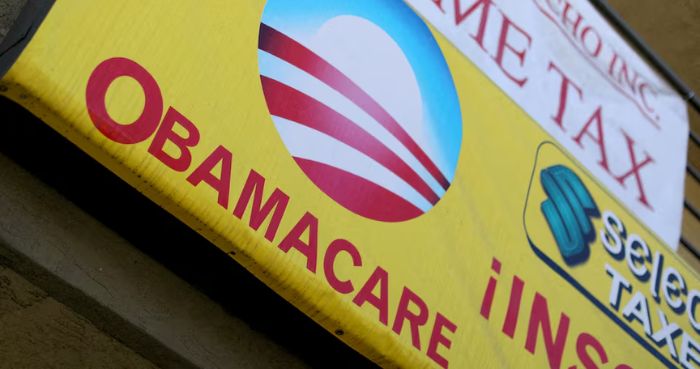
The US Senate on Tuesday rejected competing measures aimed at preserving Obamacare health subsidies, effectively ending these vital financial aids linked to the Affordable Care Act. This decision marks a significant shift in US healthcare policy amid ongoing political deadlock.
US Senate Rejects Obamacare Subsidy Rescue Bills
The US Senate failed to pass either of the proposed remedies to maintain Obamacare health subsidies, which help millions of Americans afford health insurance. The rejection came during a high-stakes session held in Washington, DC, on April 23, 2024, after intense partisan debates. Both Democratic and Republican efforts to uphold the subsidies could not secure enough votes.
Background and Importance of Obamacare Subsidies
Obamacare or the Affordable Care Act (ACA) provides health insurance subsidies designed to reduce premiums for low- and middle-income families. These subsidies have been critical in expanding healthcare coverage, especially during the COVID-19 pandemic. Their removal is expected to increase insurance costs for many Americans.
Key Developments and Political Divide
Democrats proposed a bill aiming to continue generous subsidies that alleviate rising healthcare costs. Conversely, Republicans sought a more moderate approach to health reform, focusing on budgetary limits but still supporting some subsidy continuation. Both bills fell short in a Senate vote, reflecting the persistent partisan divide in US politics.
Impact on US and Global Attention
The end of these subsidies will likely cause premium hikes, reduce coverage, and intensify political debates on healthcare reform. International observers and global diplomacy circles, including analysts from Pakistan, are closely monitoring these developments due to their potential ripple effects on global economic stability and policy-making.
Statements and Official Reactions
An official statement from the Senate Health Committee noted, “The inability to reach consensus underscores the challenges in addressing healthcare affordability in the current political environment.” Health policy experts emphasize the urgency for bipartisan cooperation to mitigate adverse effects on healthcare access.
Relevance to Pakistani Audiences
Although a US domestic issue, this political development influences global markets and diplomatic ties, which Pakistani businesses and policymakers track as part of broader economic and global diplomacy considerations. Keeping an eye on such foreign policy dynamics aligns with the interests seen in latest Pakistan updates and the Pakistan economy.
As the US healthcare subsidy saga unfolds, it serves as a reminder of how international policy decisions can impact global social, economic, and political environments.
The Senate’s failure to pass subsidy extensions signals continued healthcare challenges in the US. Stakeholders anticipate further negotiations ahead.
Don’t miss a moment—catch all the latest news only on Faiz.tv.