

US‑Israeli Campaign Against Iran Stretches Into Its Fifth Day — Live Updates
The joint military campaign by the United States and Israel against Iran has entered its fifth consecutive day, with continued airstrikes, retaliatory threats, and growing regional instability.
Below are the latest developments as the situation unfolds.
Latest Developments
Airstrikes Continue
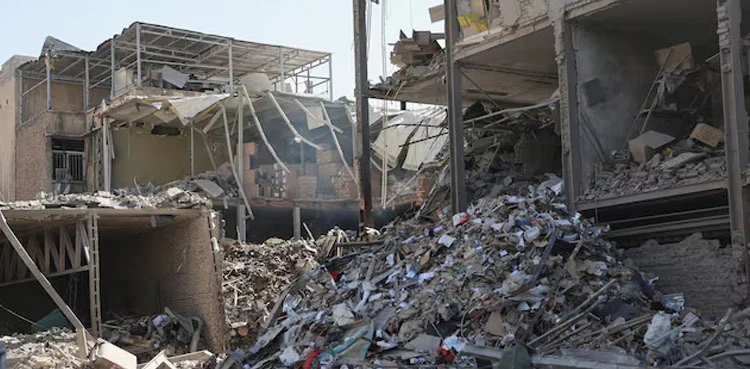
Coalition forces carried out fresh strikes overnight, targeting what officials described as strategic military infrastructure. Explosions were reported in multiple areas, though authorities have yet to release full damage assessments.
Iranian Response
Iranian officials condemned the attacks and vowed further retaliation. Military commanders said defensive systems remain active and prepared to respond to additional strikes.
Regional Security Tightened
Neighboring countries have heightened security measures, with several states maintaining partial airspace closures. Military bases across the region remain on high alert.
Diplomatic Pressure Mounts
World leaders have intensified calls for de‑escalation. Diplomatic channels remain active, although no formal ceasefire talks have been announced.
Meanwhile, the conflict continues to impact global energy markets and aviation routes, raising concerns about broader economic consequences.
Civilian Impact
Authorities in affected areas have urged civilians to follow safety advisories. Emergency services remain on standby as air defense systems intercept incoming threats.
Humanitarian organizations warn that prolonged hostilities could increase displacement and strain essential services.
What to Watch
- Possible expansion of targets
- Diplomatic mediation efforts
- Oil market volatility
- Further airspace restrictions
The fifth day marks a critical point in the confrontation, as military momentum and diplomatic efforts move in parallel.
Stay with us for verified updates as this rapidly evolving situation continues.