
The International Court of Justice (ICJ) will hear the Rohingya genocide case against Myanmar, addressing allegations of mass killings, persecution, and forced displacement of the Rohingya Muslim minority.
The hearing comes as the United Nations and human rights organisations continue to push for accountability for atrocities committed during the 2017 military crackdown in Rakhine State.
Details of the Case
The case was filed by Bangladesh, which accuses Myanmar of committing genocide against the Rohingya community. The government alleges violations of the Genocide Convention, including killing, sexual violence, and destruction of property that forced hundreds of thousands of Rohingya to flee across the border.
The ICJ will examine evidence presented by both sides and determine whether Myanmar violated international law.
Background of the Rohingya Crisis
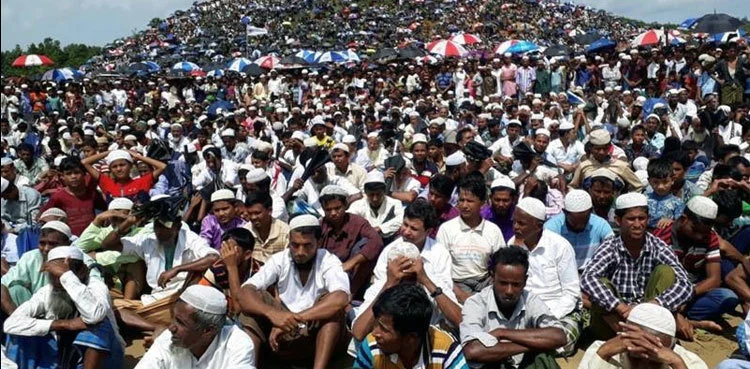
In 2017, Myanmar’s military launched operations against the Rohingya population in northern Rakhine State. The violence led to mass killings, widespread sexual violence, and the displacement of more than 700,000 Rohingya to Bangladesh.
International organisations have repeatedly described the events as a humanitarian catastrophe and potential genocide.
Legal Proceedings at the ICJ
The ICJ, the UN’s top court, will consider the case under international law. Bangladesh has requested urgent measures to protect the remaining Rohingya population still in Myanmar, while Myanmar denies the allegations and has asked the court to reject the claims.
The proceedings are expected to span several months, with judgments carrying significant implications for international human rights law.
Global and Humanitarian Implications
The case has drawn global attention, highlighting the plight of the Rohingya and the responsibility of states to prevent and punish genocide. Human rights groups are closely monitoring the hearings, calling for justice and long-term protections for survivors.
What Happens Next
The ICJ will first consider provisional measures to protect Rohingya rights and prevent further violations. Following hearings, the court will issue a binding judgment on Myanmar’s obligations under the Genocide Convention.
Conclusion
The hearing of the Rohingya genocide case at the ICJ marks a pivotal moment in international justice. The decision will have far-reaching implications for accountability, human rights enforcement, and the future of the Rohingya community.
Stay with Faiz.tv for verified updates on global human rights and international legal developments.