
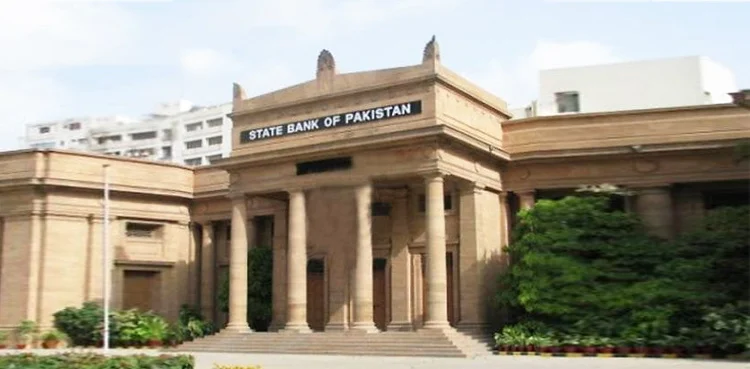
The State Bank of Pakistan (SBP) has injected Rs 1.6 trillion into the banking system to ease liquidity pressure and stabilize money markets.
The central bank provided the funds through open market operations (OMO). As a result, commercial banks received short-term liquidity support.
Why SBP Took This Step
Banks had faced temporary cash shortages due to tax payments, government transactions, and rising credit demand. Therefore, the SBP stepped in to maintain smooth market operations.
Moreover, the move aims to keep short-term interest rates stable. When liquidity tightens, borrowing costs usually rise. However, timely intervention can prevent sharp rate spikes.
How Open Market Operations Work
Through OMO, the SBP lends money to banks against government securities. In return, banks agree to repay the amount after a set period.
This tool helps the central bank control liquidity in the financial system. Consequently, it ensures that banks can meet payment obligations without stress.
Market Reaction
Market analysts said the injection will reduce pressure in the interbank market. In addition, it may support investor confidence in the short term.
However, experts believe liquidity conditions will depend on future government spending and revenue flows.
Broader Economic Context
The SBP regularly uses monetary tools to manage inflation and financial stability. Recently, policymakers have focused on maintaining balance between economic growth and price control.
Therefore, liquidity injections remain part of routine financial management rather than an emergency measure.
Conclusion
The SBP has injected Rs 1.6 trillion into the banking system to ease liquidity pressure. The move is expected to stabilize short-term interest rates and support smooth market functioning.
Further developments will depend on economic trends and upcoming monetary policy decisions.
Stay connected for more updates and news.