
Pakistan Expects Rooftop Solar Generation to Surpass Grid Demand Next Year
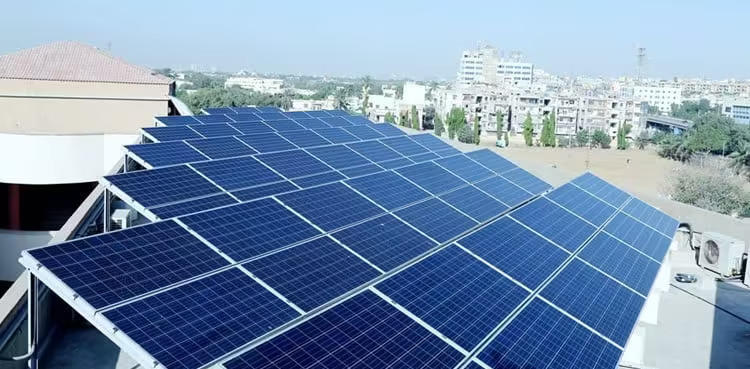
ISLAMABAD: Pakistan is set to witness a significant shift in its energy landscape as rooftop solar generation is projected to exceed national grid demand by 2026, according to energy experts. The growth of decentralized solar installations is being driven by rising electricity costs, supportive government policies, and increased awareness among households and businesses.
The surge in rooftop solar adoption could reduce reliance on the national grid, help mitigate energy shortages, and accelerate Pakistan’s transition toward renewable energy.
Drivers of Rooftop Solar Growth
Several factors contribute to the rapid growth of rooftop solar in Pakistan:
High electricity tariffs encouraging self-generation
Government incentives and net-metering policies
Decreasing costs of solar panels and installation
Increasing environmental awareness and clean energy adoption
Industry analysts predict that urban centers like Karachi, Lahore, and Islamabad will lead the trend, with commercial and residential rooftops increasingly hosting solar systems.
Impact on National Grid
Experts warn that while the growth is positive for clean energy, the grid may face challenges in integrating large amounts of distributed solar power. Smart grid solutions and improved infrastructure will be essential to manage variable supply and demand efficiently.
A spokesperson from the Alternative Energy Development Board (AEDB) told Faiz.tv:
“Rooftop solar is set to play a transformative role in Pakistan’s energy sector. We are working on strategies to ensure smooth integration with the national grid.”
Economic and Environmental Benefits
The expansion of rooftop solar is expected to:
Lower electricity bills for households and businesses
Reduce pressure on fossil-fuel-based power plants
Cut greenhouse gas emissions and support Pakistan’s climate goals
Create jobs in installation, maintenance, and solar manufacturing
Government authorities have emphasized that distributed solar can complement large-scale renewable projects like solar parks, hydropower, and wind energy.
Future Outlook
With increasing adoption, rooftop solar could significantly transform Pakistan’s energy mix by 2030. Analysts predict that decentralized solar systems could account for a substantial share of the total electricity supply, positioning Pakistan as a leader in South Asia for renewable energy deployment.
Conclusion
Pakistan’s rooftop solar generation is poised to surpass grid demand next year, marking a milestone in the country’s renewable energy journey. Strategic planning and infrastructure upgrades will be crucial to maximize benefits while maintaining grid stability.
Follow Faiz.tv for updates on Pakistan’s energy sector, renewable projects, and sustainable development news.