

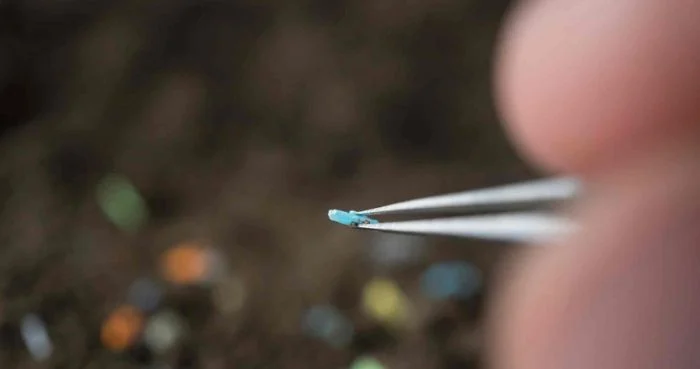
People Inhaling Rising Levels of Microplastics in City Air
People living in cities are inhaling growing amounts of microplastics simply by breathing the air, according to recent scientific findings. Researchers warn that airborne plastic particles now pose a serious and often overlooked public health risk.
The issue is most severe in densely populated urban areas with heavy traffic and industrial activity.
What Are Microplastics?
Microplastics are tiny plastic particles smaller than five millimeters. They come from the breakdown of larger plastic waste, synthetic clothing fibers, vehicle tires, and industrial materials.
Once released, these particles remain in the environment for long periods and can travel through air, water, and soil.
How Microplastics Enter City Air
In cities, microplastics enter the air through several sources. These include road dust, tire wear, construction activity, and household waste. Wind and traffic movement help spread the particles across neighborhoods.
As a result, residents inhale them unknowingly during daily activities.
Health Concerns for Urban Populations
Scientists say inhaled microplastics can reach the lungs and may enter the bloodstream. Although research is ongoing, experts link exposure to inflammation, respiratory problems, and potential long-term health risks.
Why Urban Areas Face Greater Risk
Urban environments concentrate pollution sources in small areas. High population density, constant vehicle movement, and limited green spaces allow microplastics to accumulate in the air.
Moreover, indoor spaces can also trap plastic fibers released from furniture, carpets, and clothing.
Global and Local Implications
The findings raise concerns for cities worldwide, including in Pakistan, where air pollution already affects public health. Experts warn that microplastics add another invisible layer to existing air quality challenges.
Therefore, environmental monitoring and waste control policies are becoming increasingly urgent.
What Happens Next
Researchers are calling for more studies to understand the full health impact of airborne microplastics. At the same time, environmental groups urge governments to reduce plastic waste and improve air quality regulations.
Individuals can also reduce exposure by improving indoor ventilation and limiting plastic use.
Conclusion
The discovery that people are inhaling microplastics just by breathing city air highlights a growing environmental and health concern. As plastic pollution continues to rise, experts stress the need for stronger action to protect public health.
Stay with Faiz.tv for trusted updates on environment, health, and global scientific developments.