
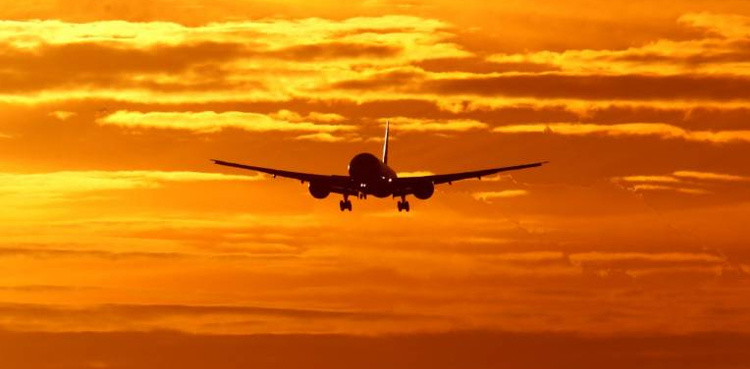
Pakistan has extended the airspace closure for all commercial flights originating from India, effective immediately until further notice. The move, announced by the Pakistan Civil Aviation Authority (CAA) on [insert date], is part of ongoing diplomatic and security measures amid strained bilateral relations.
Background of Airspace Closure
The restriction on Indian airlines flying over Pakistan was first imposed amid escalating tensions across the border in recent months. Pakistan’s decision aims to address both security concerns and ongoing geopolitical challenges affecting regional air traffic. The measure impacts flight paths, forcing airlines to take longer routes, increasing both travel time and fuel costs.
Official Statement from Authorities
In an ISPR statement, Pakistan’s aviation authorities cited the need to maintain strict security protocols in line with national interests. A spokesperson noted, “The extension of airspace closure for India aligns with Pakistan’s commitment to safeguarding its airspace and responding to developments in bilateral relations.” The Civil Aviation Authority also updated international airlines and aviation agencies accordingly.
Impact on Aviation and Broader Implications
This extension complicates aviation logistics for airlines operating between the two countries, affecting business and travel policies. Aviation news sources report increased operational costs and delays for carriers rerouting their flights. Pakistan’s travel policy updates emphasize safety and strategic considerations within the region.
Beyond aviation, this move also influences global diplomacy efforts concerning South Asia. Analysts highlight that such airspace restrictions reflect broader tensions in KP security and related regional security dynamics. These developments coincide with ongoing discussions on trade, taxation reforms Pakistan, and economic cooperation, signaling a prolonged period of cautious engagement.
International and Domestic Reactions
While India protested the continued closure, citing inconvenience to passengers and increased costs, Pakistan maintains that the decision aligns with its sovereignty and security imperatives. Social media trends across both countries reveal mixed public sentiment, with many followers debating the long-term effects on economic ties and bilateral relations.
Latest Updates
The Pakistan Civil Aviation Authority continues monitoring the situation closely and will announce further changes as the security environment evolves. Industry experts urge affected airlines to stay updated on travel policy changes and global diplomatic developments that may influence future decisions.
Don’t miss a moment—catch all the latest news only on Faiz.tv.