
Nipa Manhole Tragedy: Teenager Recounts Recovering Ibrahim’s Body
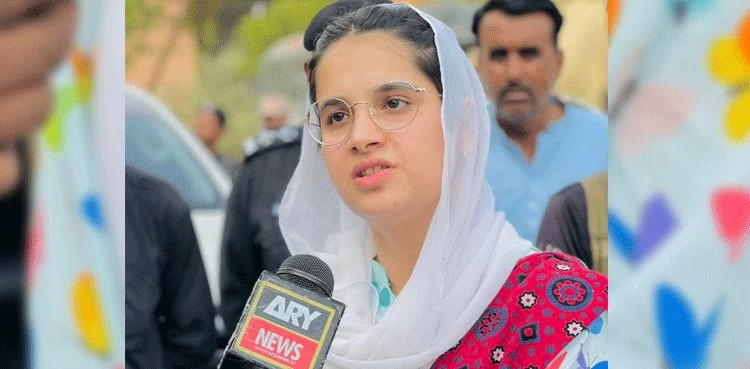
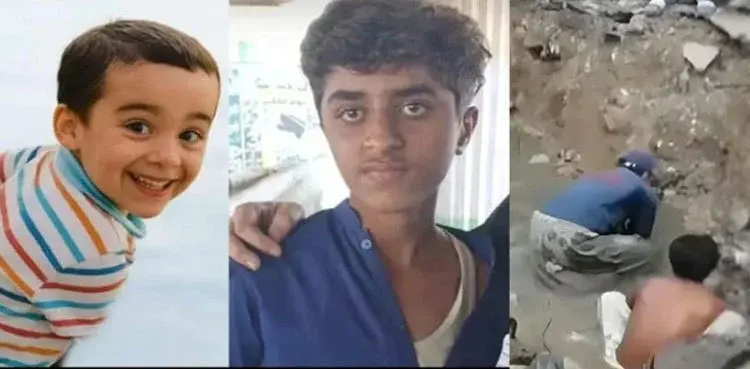
KARACHI: A local teenager has shared a heartbreaking first-hand account of retrieving the body of young Ibrahim from a dangerous uncovered manhole near Nipa, exposing chilling details of Karachi’s ongoing civic safety crisis.
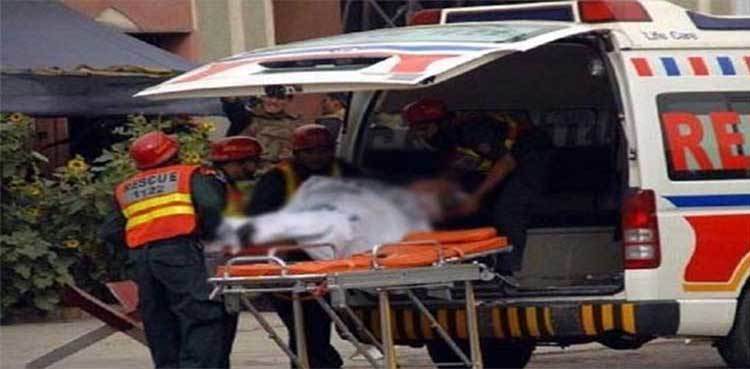
The teenager met the grieving family after the tragic incident at Nipa Underpass and narrated how he assisted rescue efforts when official response struggled due to hazardous sewage conditions.
Teen’s Eye-Witness Account
The young volunteer, Hassan Malik, said he stepped in after hearing cries for help:
“I saw the rescue team facing difficulty. The sewage water and toxic environment made it almost impossible to get inside. That’s when I decided to help and climbed down through the opening.”
He further revealed:
The manhole was deep, slippery, and filled with sewage water
Breathing inside was difficult due to harmful gases
Using a rope, he managed to lift Ibrahim’s body upward
Local residents helped pull the rope from above
Family and Public Shock
Ibrahim’s father broke down during the recount, thanking the volunteer teenager for his courage. Witnesses said Hassan’s actions highlight:
Public distrust in municipal safety measures
Inadequate urban hazard monitoring
Absence of barriers and warnings near exposed drains
Official Investigation Developments
In light of the tragedy, Sindh Government Inquiry Board may seek testimony from local witnesses, including Hassan, to supplement the ongoing probe expected to be led by CM Murad Ali Shah.
Civic safety advocacy groups believe this incident could become a turning point for Karachi’s infrastructure reforms.
Public Demand for Accountability
Following the viral teenager account across:
YouTube,
Instagram,
and Facebook,
has stirred nationwide outrage with citizens urging:
Immediate coverage of open manholes
Real-time monitoring of hazardous urban points
Punitive clauses for municipal negligence
Safety awareness for children and pedestrians
Experts’ Opinion
Urban infrastructure specialists state that Karachi has more than 15,000 uncovered or poorly maintained manholes, making it one of the most dangerous cities in South Asia for pedestrian safety.
Conclusion
Hassan’s emotional account adds a human voice to the tragedy and reveals how vulnerable citizens have become due to infrastructure failure, administrative negligence, and toxic drains in metropolitan Pakistan.
Follow Faiz.tv for developments on inquiries, reforms, and civic accountability.