
Middle East Needs ‘New Approaches’ to Reject Violence, Says Pope
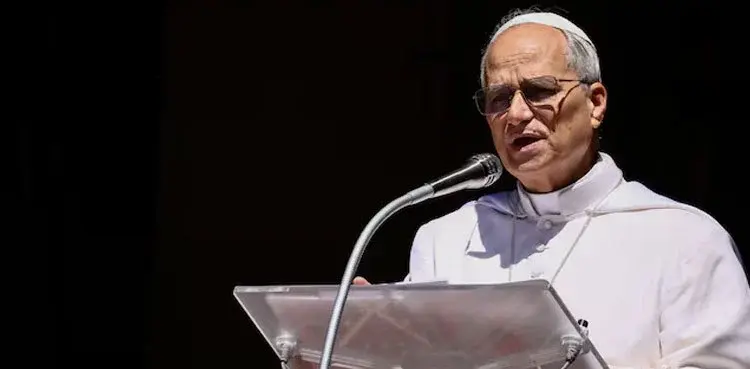
VATICAN CITY: Pope Francis has urged global leaders to adopt new diplomatic and social strategies in the Middle East to reject violence, promote peace, and address long-standing conflicts through dialogue instead of aggression.
Speaking during a high-profile address at the Vatican, the pope stressed that the region cannot move forward without innovative solutions, reconciliation frameworks, and collective rejection of terrorism, war, and sectarian hatred.
Key Remarks by the Pontiff
“The Middle East needs new approaches rooted in mutual respect, justice, and dialogue to break the cycle of violence,” he stated.
He further emphasized:
Peace cannot emerge where weapons dominate policy
Communities must reject extremism collectively
Diplomacy should replace conflict and retaliation
Human dignity must be central to reforms and talks
Call for a Shift in Conflict-Resolution Strategies
The pope noted that traditional conflict-management efforts have repeatedly failed to bring stability in countries facing:
Military invasions
Political instability
Terrorism and insurgency
Humanitarian breakdowns
Ethno-religious polarization
His statement comes at a time when global institutions and governments are exploring alternatives to war-first policies in the Middle East.
Implications for Regional and Global Peace
Political experts believe the pope’s remarks reflect the urgent need for:
Re-evaluated peace frameworks
Inclusive multi-state dialogue
Humanitarian-centric security policies
Rejection of proxy conflicts
Economic cooperation to stabilize societies
Faith leaders across the Middle East have also echoed similar sentiments, stressing that religious influence must serve unity, not division.
Pakistan’s Perspective on Peace in the Subcontinent & Middle East
Although the address focused on the Middle East, analysts see similarities with conflict zones elsewhere including:
South Asian tensions
Proxy militancy threats
Cross-border terrorism narratives
Pakistan has historically demanded peaceful resolution of disputes, particularly through diplomacy and multilateral engagement.
Conclusion
Pope Francis has reinforced that lasting peace demands fresh strategies, political will, and public-driven rejection of violence. His call signals a growing consensus that dialogue-first models must replace conflict-first mindsets.
Follow Faiz.tv for more updates on global diplomacy and conflict-resolution developments.