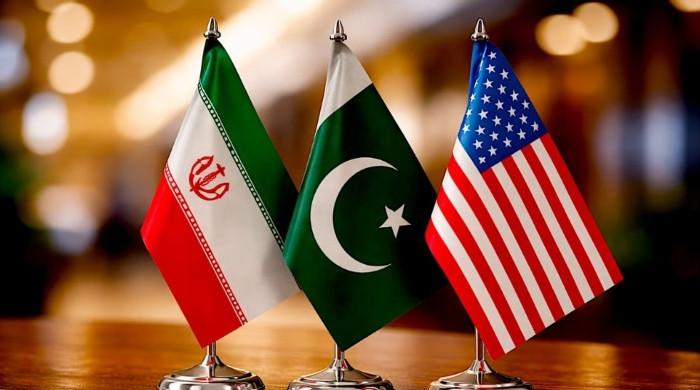

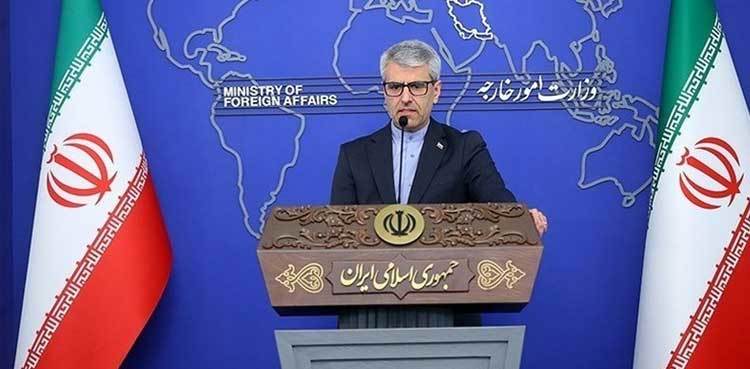
Iran has warned that any military attack by the United States, even one described as limited, would be considered an “act of aggression” and would elicit a strong response from Tehran. The statement came amid rising tensions linked to talks between the two sides and discussions over possible US military options.
Tehran’s warning signals deep concern over speculation in Washington about using force if diplomacy fails to resolve disputes, particularly related to nuclear negotiations.
Background and Context
Talks between Iranian and US officials have continued under Omani mediation in Switzerland, but progress has remained slow. In this climate, US President Donald Trump recently stated he was considering the possibility of a limited strike against Iran if negotiations faltered.
Iran’s response reflects long‑standing distrust between the two countries. Over years, disagreements have centered on Iran’s nuclear program, regional influence, and mutual security concerns. These issues have helped sustain tensions that now risk military escalation if not handled diplomatically.
Iran’s Warning: Key Messages
Iran’s Foreign Ministry spokesman, Esmaeil Baqaei, rejected the notion of a “limited strike,” saying that there is no such thing as a selective attack in practice. He stressed that any hostile military action would be treated as aggression and met with a forceful response in self‑defence.
Baqaei said: “An act of aggression would be regarded as an act of aggression. Period.” He added that Iran, like any sovereign state, would exercise its right to defend itself under international law.
Official Reactions and Diplomatic Efforts
Washington has not officially responded to Tehran’s comments. However, Trump’s recent remarks about military options indicate that the US continues to weigh pressure tactics as part of its strategy.
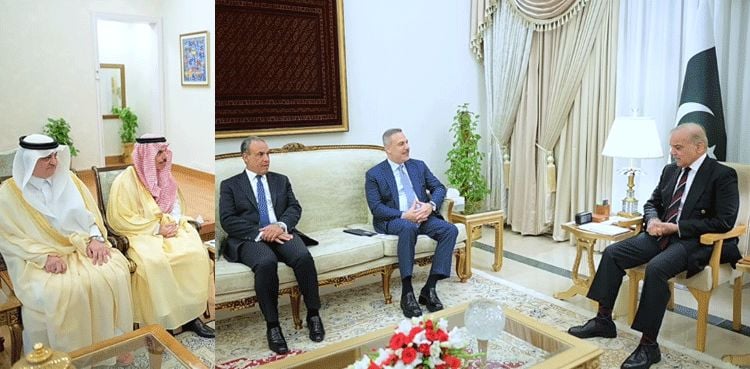
Meanwhile, indirect talks between Iranian and US representatives have continued in Switzerland, with further rounds planned under mediation. These dialogues aim to salvage diplomatic channels and avoid armed conflict.
Regional and Global Implications
Iran’s firm stance raises concerns across the Middle East and among global powers. A military exchange, even if labelled “limited,” could rapidly escalate into wider conflict given the strategic interests of multiple states in the region.
Such tensions may affect energy markets, global trade, and diplomatic alignments. Analysts say that maintaining dialogue and avoiding forceful measures remains critical to regional stability.
What Happens Next?
Diplomatic engagement continues, with mediators and negotiators seeking common ground. The next scheduled meetings aim to bridge gaps and avert military escalation.
However, the risk of miscalculation remains if either side interprets rhetoric or military positioning as intent to strike.
Conclusion
Iran’s warning that any US military action would be treated as an act of aggression underscores the fragility of current tensions between Tehran and Washington. Both sides face pressure to negotiate but also must manage strategic messaging to avoid unintended escalation.
As talks proceed and global attention remains fixed on developments, the international community will be watching whether diplomacy prevails over confrontation.
For the latest updates on Iran‑US tensions and global diplomatic developments, stay tuned to Faiz.tv.