

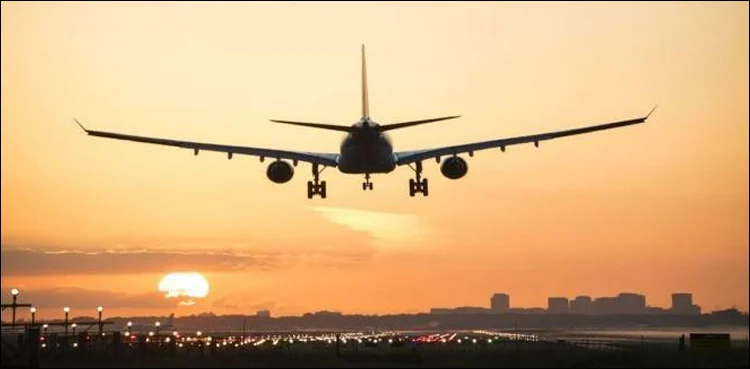
Iran‑Israel War Triggers Major Air Travel Chaos
The escalating conflict between Iran and Israel has triggered one of the worst air travel disruptions in recent years, forcing airlines to cancel flights and reroute aircraft across the Middle East.
Aviation authorities across the region have closed or restricted parts of their airspace as security concerns intensify.
Flights Canceled and Rerouted
Major international carriers have suspended operations to several regional destinations. As a result, thousands of passengers now face delays, cancellations, and long layovers.
In addition, airlines have diverted flights to alternative routes, significantly increasing travel time and operational costs.
Airspace Closures Expand
Several neighboring countries have imposed temporary airspace restrictions. Aviation regulators say they took the decision to protect civilian aircraft amid rising military activity.
Consequently, flight corridors over key transit zones remain either partially restricted or completely closed.
Economic and Travel Impact
The disruptions have affected business travel, tourism, and cargo operations. Furthermore, airline stocks experienced volatility as investors reacted to uncertainty in the region.
Travel experts warn that prolonged instability could increase ticket prices due to higher fuel consumption and insurance costs.
Passengers Advised to Check Flights
Airlines have urged travelers to confirm flight status before heading to airports. Meanwhile, aviation authorities continue to assess risks and adjust advisories in real time.
What Happens Next?
If tensions escalate further, additional airspace closures may follow. However, if diplomatic efforts succeed, operations could gradually normalize.
For now, the Iran‑Israel conflict continues to disrupt global air travel on a significant scale.
Stay connected with Faiz.tv for live updates on the Iran‑Israel war and its global impact.