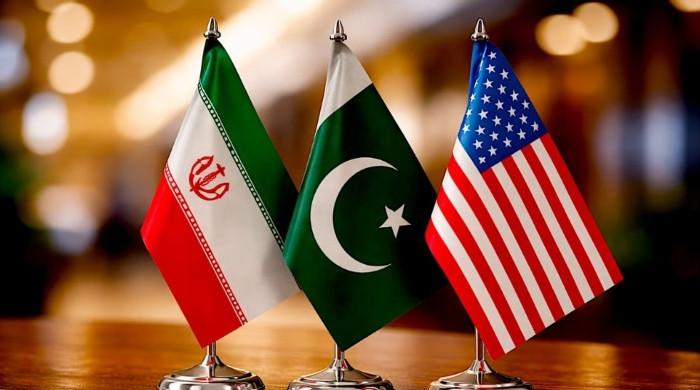

Tensions between Iran and the United States have intensified as indirect nuclear talks remain fragile and both sides show military strength in key waterways. Tehran has held naval drills with Russia, while the U.S. has moved additional naval assets closer to the Middle East.
The developments highlight how diplomatic efforts to revive a nuclear agreement are unfolding amid displays of military power that many analysts describe as gunboat diplomacy.
Naval Drills and Military Moves
Iran’s armed forces recently conducted naval exercises, including live-fire drills in the Strait of Hormuz, a vital shipping lane through which a large share of global oil exports passes. The exercises involved warnings to regional air traffic and highlighted Iran’s ability to control access to this strategic waterway.
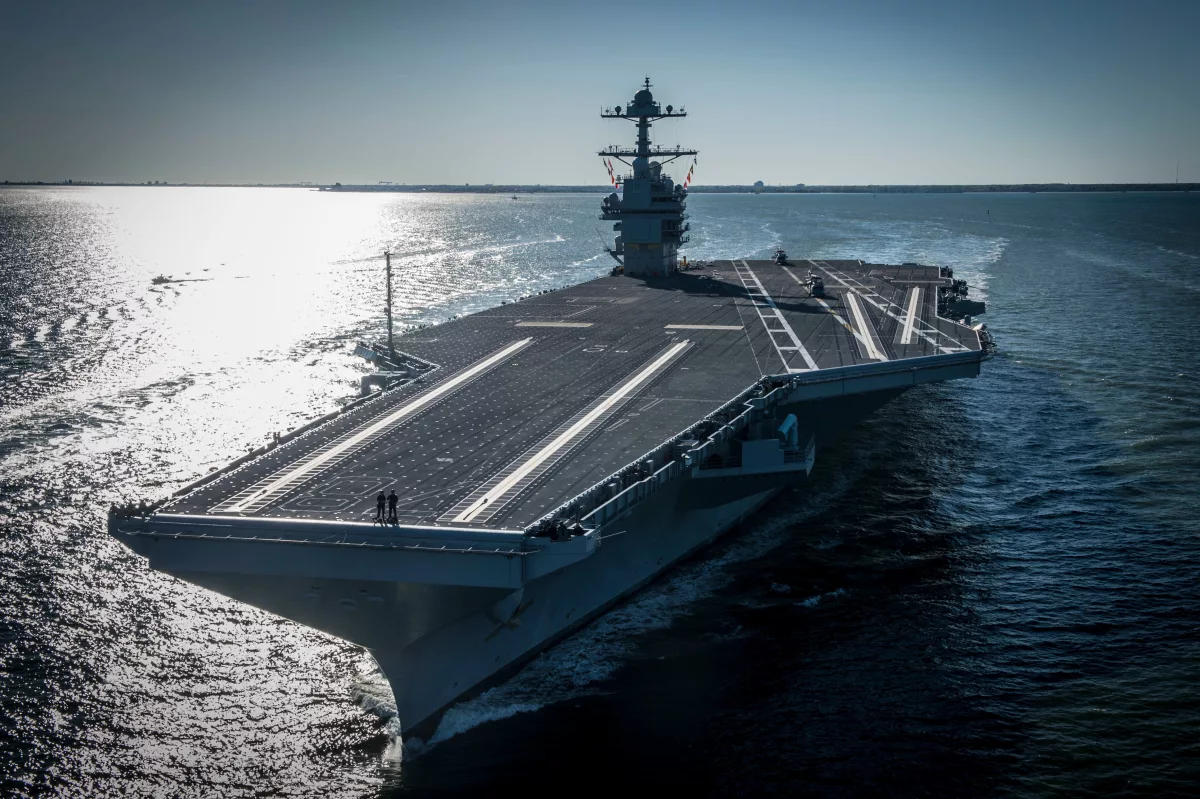
Meanwhile, the U.S. Navy deployed the USS Gerald R. Ford aircraft carrier near the Mediterranean, enhancing military presence in the region. The move gives U.S. forces additional air and missile defence capabilities.
Nuclear Talks in the Balance
Indirect negotiations between U.S. and Iranian officials continue, with rounds of talks taking place in neutral locations such as Geneva. Both sides have reported modest progress on guiding principles, but unresolved differences remain over Iran’s nuclear enrichment, missile programmes and broader regional issues.
Iran’s foreign minister recently said Tehran was drafting a framework for future negotiations. However, officials acknowledge that both sides remain far apart on key issues.
Regional and Political Implications
The mix of diplomacy and military posturing reflects deep mistrust between Tehran and Washington. Analysts say that showing naval strength can serve dual purposes: deterring potential escalation and increasing leverage at the negotiation table.
The stance also comes as Iran faces internal unrest following economic pressures and protests. Domestic challenges have placed added strain on the Iranian government as it balances foreign policy and internal stability.
International Reactions
Regional actors are watching the situation closely, with some nations urging restraint and diplomatic resolution. Russia, which partnered with Iran in recent naval drills, has publicly warned against military escalation and emphasised the importance of diplomatic dialogue.
Global markets have also shown sensitivity to developments, given the strategic importance of the Strait of Hormuz for oil shipments.
What Happens Next?
Both sides plan to continue negotiations, with future rounds expected to focus on drafting detailed proposals and addressing sticking points. Diplomatic channels and intermediaries, including regional players, may play a role in keeping communication open.
At the same time, military deployments and exercises may continue, reflecting the delicate balance between diplomacy and deterrence.
Conclusion
Iran and the United States are engaging in naval demonstrations and military positioning even as they pursue nuclear talks. The situation underscores a complex blend of diplomacy and pressure tactics, with the outcome of negotiations still uncertain.
For the latest updates on this developing story, stay tuned to Faiz.tv.