
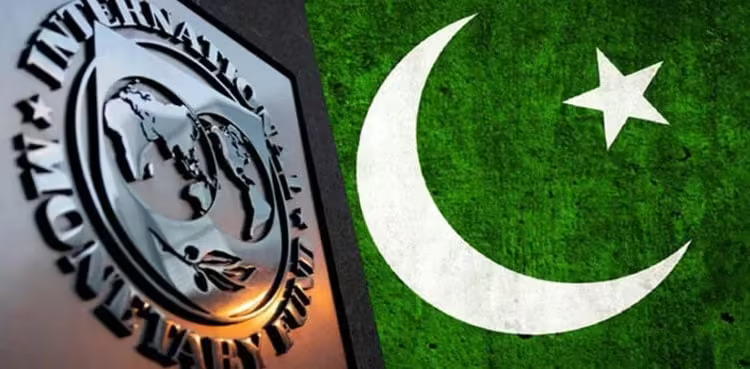
IMF Urges Pakistan to Strengthen Tariff Governance, Reduce Discretionary Exemptions
ISLAMABAD: The International Monetary Fund (IMF) has called on Pakistan to strengthen tariff governance and reduce discretionary tax exemptions, stressing that these measures are crucial for stabilizing revenue flows and improving long-term economic resilience.
In its latest review discussions, the IMF highlighted the need for transparent, rules-based tariff structures to support fiscal reforms and ensure a more equitable tax system.
IMF Calls for Fair, Transparent Tariff System
According to officials, the IMF has raised concerns regarding:
- Excessive discretionary tariff exemptions granted through special permissions
- Revenue leakages caused by complex tax structures
- The need for uniform rules applied across all sectors
The Fund emphasized that removing ad-hoc exemptions would create a level playing field for businesses, boost investor confidence, and support Pakistan’s broader economic reform agenda.
An IMF representative reportedly stated:
“Pakistan must focus on predictable tariff policies and eliminate exemptions that distort the tax system and undermine revenue mobilization.”
Impact on Pakistan’s Fiscal Framework
Economists note that Pakistan continues to struggle with low tax collection and growing fiscal pressure. Strengthening tariff governance will help:
- Increase government revenue
- Improve budget credibility
- Meet targets set under IMF programs
- Streamline import policies and reduce corruption
The reforms are expected to play a pivotal role as Pakistan negotiates future IMF support to stabilize its economy.
Government’s Stance
Sources in the Ministry of Finance say the government has already begun reviewing:
- Sector-specific exemptions
- Tariff schedules for imports
- Compliance procedures under the FBR
Officials insist that Pakistan remains committed to implementing structural reforms agreed with the IMF under its economic stabilization roadmap.
Business Community Reaction
Industry groups have welcomed the push for transparency but cautioned that sudden removal of exemptions could raise input costs. They urged the government to implement changes gradually and provide sector-wise consultations.
Conclusion
The IMF’s call for Pakistan to strengthen tariff governance and reduce discretionary exemptions underscores the importance of fiscal transparency and sustainable economic management. Pakistan is expected to announce further policy steps in the coming months.
Follow Faiz.tv for the latest updates on Pakistan’s economy, IMF negotiations, and financial reforms.