
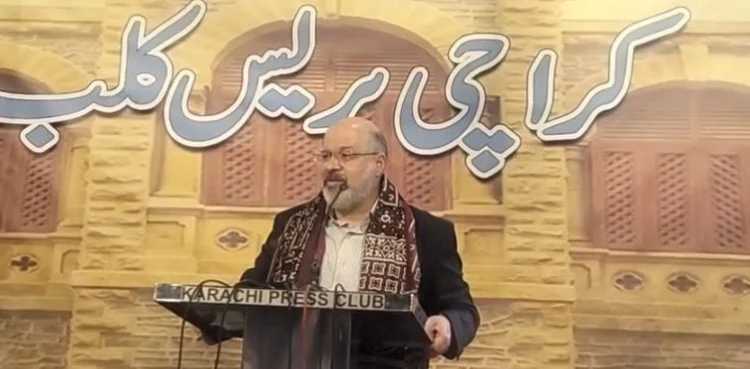
A spokesperson for Hamas said the recent Gaza ceasefire helped stop what the group described as “genocide.” The remarks came during a media briefing following the halt in hostilities between Israeli forces and Palestinian factions.
The spokesperson claimed that international pressure and resistance efforts contributed to the ceasefire agreement. However, officials on other sides have not endorsed that characterization.
Background and Context
The conflict in Gaza escalated in recent weeks, resulting in heavy casualties and widespread destruction. International organizations raised concerns about civilian safety, humanitarian access, and infrastructure damage.
Mediators, including regional governments, worked to secure a ceasefire to reduce violence and allow humanitarian aid deliveries. As a result, both sides agreed to pause military operations.
The ceasefire aims to provide temporary relief to civilians and create space for further diplomatic talks.
Gaza Ceasefire Hamas Statement: Key Details
During the briefing, the Hamas spokesperson said the ceasefire prevented what the group considers large-scale civilian harm. He argued that sustained fighting would have worsened the humanitarian crisis.
However, Israeli officials have consistently rejected allegations of genocide. They state that military operations target armed groups and aim to ensure national security.
International legal experts note that the term “genocide” carries a specific definition under international law. Therefore, any such claim requires formal legal determination by competent judicial bodies.
Official and International Reactions
Israeli authorities have not directly responded to the latest remarks. In previous statements, they defended their military actions as lawful and necessary.
Meanwhile, several international actors welcomed the ceasefire. They urged both sides to maintain restraint and prioritize civilian protection.
Humanitarian agencies stressed the need for sustained access to deliver food, water, and medical supplies across Gaza.
Humanitarian and Regional Impact
The ceasefire has allowed aid convoys to enter affected areas. Hospitals and emergency services are working to treat the injured and restore basic services.
Additionally, regional leaders have called for renewed diplomatic efforts to prevent further escalation. Analysts say the fragile truce could reduce immediate tensions but does not resolve underlying political disputes.
The situation remains sensitive, and violations of the ceasefire could quickly reignite hostilities.
What Happens Next?
Diplomatic efforts are expected to continue in the coming days. Mediators aim to extend the ceasefire or move toward a longer-term arrangement.
At the same time, international organizations will monitor compliance and assess humanitarian needs. Any breakdown in talks could lead to renewed conflict.
Conclusion
The Hamas spokesperson stated that the Gaza ceasefire helped stop what the group described as “genocide.” While the claim remains disputed, the ceasefire has temporarily reduced violence and enabled humanitarian relief.
Observers say the focus now shifts to sustaining calm and pursuing broader political dialogue to prevent future escalation.
For the latest updates on this developing story, stay tuned to Faiz.tv.