
German Economy in ‘Deepest Crisis’ Since Post-War Era: Industry Group
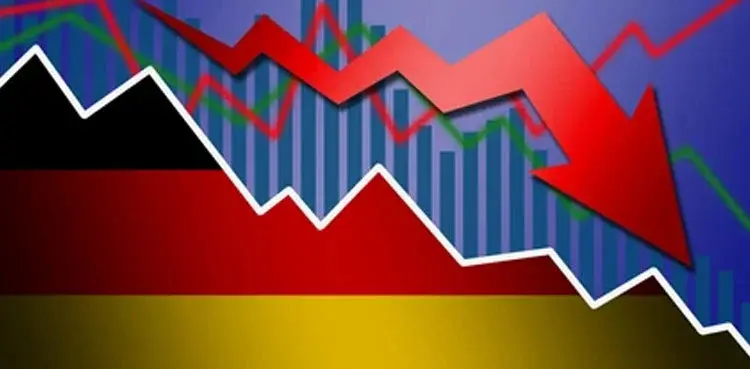
BERLIN: Germany’s economy is experiencing its deepest crisis since the post-war period, according to a leading industry group. The warning underscores rising concerns over recession risks, declining industrial output, and global economic headwinds affecting Europe’s largest economy.
The German Industry Association reported that manufacturing, exports, and consumer confidence have all dipped sharply, signaling economic stagnation that could have far-reaching consequences across the Eurozone.
Key Findings from the Industry Group
Industrial production has fallen for multiple consecutive quarters
Export orders weakened due to slower global demand
Energy costs and inflation continue to strain manufacturers
Workforce and investment confidence have declined
Economists warn of prolonged stagnation if policy measures are delayed
A spokesperson said:
“The German economy is at a critical juncture. Without decisive reforms and support measures, the effects could ripple through the continent.”
Factors Contributing to the Crisis
Analysts cite multiple factors behind the slowdown:
Rising energy prices and supply chain disruptions
Weakening global demand for German industrial exports
Inflationary pressures impacting households and businesses
Geopolitical tensions affecting trade with key partners
Delays in digitalization and green transformation in heavy industry
The European Central Bank and German policymakers are under pressure to implement fiscal stimulus, industrial incentives, and targeted energy relief to mitigate the crisis.
Potential Global Impact
Germany, as Europe’s economic powerhouse, significantly influences global markets:
Eurozone stability may be affected
Trade partners in Asia and the Americas could see supply chain shocks
Investor confidence in EU markets may decline
Energy and industrial commodity prices could fluctuate
Policy and Industry Responses
Industry leaders are calling for:
Immediate fiscal relief packages
Support for SMEs to protect jobs
Sustainable energy pricing solutions
Acceleration of industrial modernization
Economists warn that without swift interventions, Germany could face a prolonged period of low growth and rising unemployment, impacting both the domestic and European economies.
Conclusion
The German economy’s “deepest crisis” since the post-war era highlights the urgent need for government intervention, industry reforms, and international cooperation. Experts stress that the next few quarters are critical for averting a full-scale recession.
Follow Faiz.tv for real-time economic updates, European market insights, and global business news.