

China’s Shenzhou-21 Space Mice Birth Healthy Pups in Historic Milestone
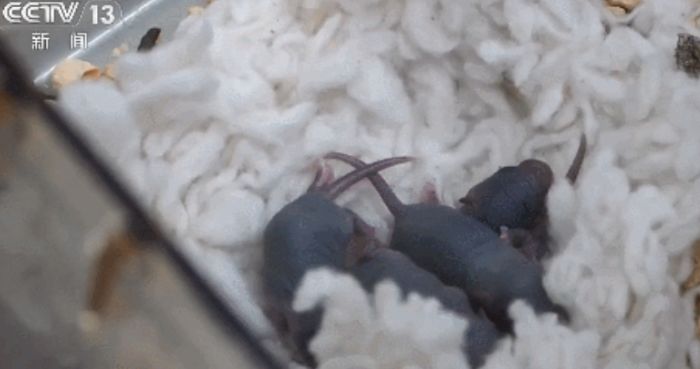
BEIJING, CHINA: China has reached a major scientific breakthrough after space mice aboard the Shenzhou-21 mission successfully gave birth to healthy pups. Scientists confirmed that the newborn mice are in good condition, marking a key milestone in space biology research.
Moreover, this achievement offers new insight into how living organisms reproduce in microgravity.
Breakthrough in Space Life Science
According to Chinese space researchers, the mice lived aboard the Shenzhou-21 spacecraft under carefully controlled conditions. Despite the challenges of space, the animals reproduced naturally.
Furthermore, scientists monitored the mice closely to study development, growth, and health in space. Therefore, the successful birth provides valuable data for future missions.
Why This Milestone Matters
This experiment helps scientists understand how long-term space travel may affect reproduction. In addition, the findings could support future plans for human missions to the Moon and Mars.
As a result, China’s space program continues to make progress in life science research beyond Earth.
China’s Expanding Space Research
China has steadily expanded its space experiments, focusing on biology, medicine, and technology. Meanwhile, Shenzhou-21 plays a key role in testing how life adapts to space.
Consequently, this success strengthens China’s position in global space science and exploration.
Conclusion
The birth of healthy mice pups aboard Shenzhou-21 marks an important moment in space research. It shows that life can reproduce in space, opening new possibilities for long-term missions.
Follow Faiz.tv for the latest updates on space exploration, scientific breakthroughs, and global technology news.