

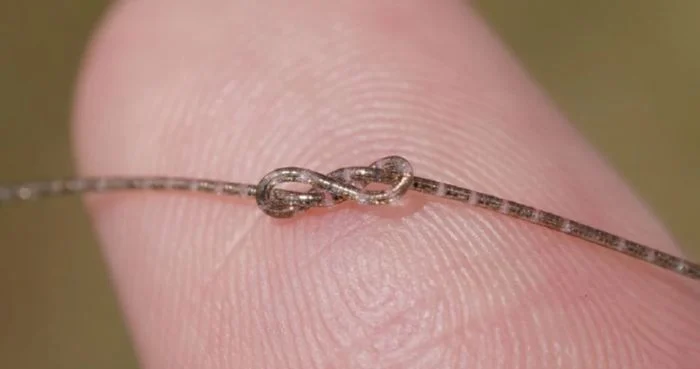
Chinese researchers have developed a new ‘fiber chip’ technology that can transform ordinary fabrics into computing devices, potentially revolutionizing wearable technology and smart clothing.
The innovation allows textiles to perform digital tasks without external hardware, opening doors for advanced applications in healthcare, communication, and lifestyle products.
How the Technology Works
The fiber chip integrates microprocessors directly into textile fibers, allowing garments to store, process, and transmit data. Clothing embedded with these chips can connect to devices, monitor biometrics, and even run basic software functions.
Moreover, the technology is designed to maintain comfort, flexibility, and durability, ensuring that garments remain wearable while performing digital functions.
Potential Applications
Experts say the fiber chip could be used for health monitoring, military applications, and smart fashion, enabling clothes to measure vital signs, track movement, or interact with other smart devices.
Meanwhile, designers could incorporate computing capabilities into everyday clothing, potentially replacing some portable electronics with wearable alternatives.
Challenges Ahead
While the technology is promising, mass production and commercial adoption may face challenges related to cost, power supply, and fabric maintenance. Researchers are working on scalable manufacturing processes and energy-efficient designs.
In addition, cybersecurity and privacy concerns may arise as wearable computing becomes more integrated with personal data.
What This Means for the Future
The development of fiber chips marks a step toward fully integrated smart clothing. Analysts suggest that combining textiles with computing could reshape industries such as healthcare, fitness, and communications.
Furthermore, wearable technology may become less dependent on traditional devices, making everyday clothing multifunctional and interactive.
Conclusion
China’s fiber chip innovation demonstrates a leap in merging technology with textiles, allowing clothes to act as computers. If successfully commercialized, this breakthrough could redefine wearables and introduce a new era of smart clothing.
Stay with Faiz.tv for updates on technology breakthroughs and emerging innovations worldwide.