
Being Charlie’ Resurges in Pakistan Spotlight Amid Mental Health Talks
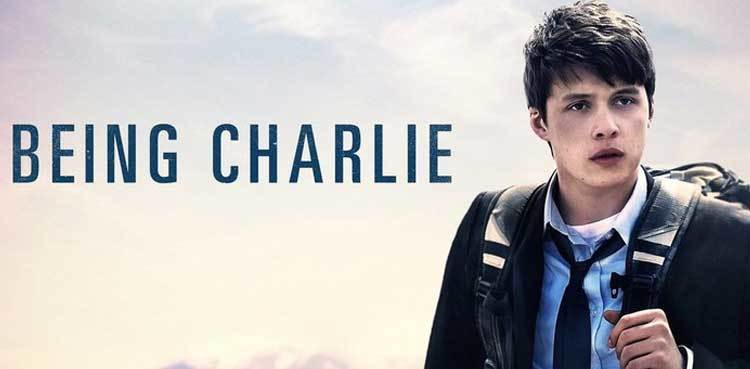
KARACHI / LAHORE: The Hollywood drama “Being Charlie” has resurfaced in Pakistan’s social spotlight, gaining momentum across TikTok, X, and film-review platforms as mental-health conversations intensify nationwide.
The 2015 Rob Reiner film centred on a troubled teen battling drug addiction, depression, and rehabilitation setbacks—is now being recommended by Pakistani advocacy pages, counsellors, and university groups for its raw portrayal of youth mental-health struggles.
Why the Film Is Trending Among Pakistani Youth
Clips and dialogues from Being Charlie are being widely shared online because the storyline echoes real-life issues faced by Pakistani teens, including:
drug dependency and relapse
emotional neglect at home
peer pressure and escapism
youth therapy and treatment centres
stigma around psychological help
The renewed interest aligns with Pakistan’s rise in awareness campaigns on suicide prevention, counselling access, and youth rehabilitation support.
Mental-Health Debate Expands Nationwide
Psychologists say films like Being Charlie help normalise therapy, replace shame with empathy, and encourage early intervention.
A Lahore-based clinical therapist commented:
“Young people in Pakistan are finally discovering content that validates emotional pain instead of labelling it rebellion.”
NGOs and mental-health helplines also report increased engagement from teenagers, particularly boys who are often reluctant to speak about stress.
Social-Media Driven Resurgence
The movie is gaining fresh traction due to OTT streaming access, recommendation algorithms, and “film therapy” playlists circulating among Pakistani content creators.
Hashtags such as #MentalHealthPakistan, #BeingCharlie, and #EndTheStigma have begun trending around university discussions and awareness events.
Hollywood Content Informing Local Audiences
While Being Charlie was not a major box-office hit internationally, Pakistani viewers are praising it for honest storytelling about addiction recovery, a subject rarely addressed openly in local cinema.
Critics say the film could help create better parental understanding, school-based guidance, and compassion-led conversations around youth behaviour.
Conclusion
The resurgence of Being Charlie in Pakistan highlights how cinema can influence mental-health literacy, encouraging families and young adults to approach addiction, depression, and emotional recovery with empathy rather than silence.
Follow Faiz.tv for more updates on entertainment, psychology awareness, and media trends in Pakistan.