
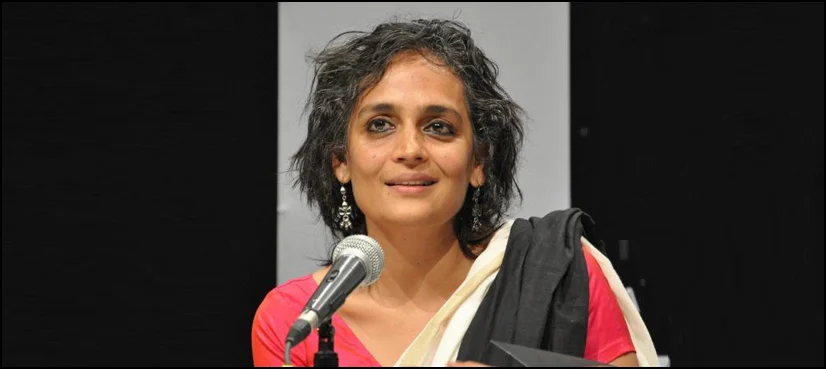
Indian author and activist Arundhati Roy has withdrawn from the Berlin Film Festival, citing concerns related to the ongoing conflict in Gaza. Her decision reflects a growing pattern of cultural and artistic protests tied to political disputes in the region.
Roy’s withdrawal comes ahead of the festival’s opening, drawing global attention and renewed debate over free expression, solidarity movements, and international cultural engagement.
Background and Context
Arundhati Roy is a noted Indian novelist and political commentator. She won the Man Booker Prize in 1997 for her novel The God of Small Things and has since been involved in various social and political causes.
The Berlin Film Festival, also known as the Berlinale, is one of the world’s most prestigious film events, attracting filmmakers, artists, and audiences from across the globe.
Arundhati Roy Berlin Film Festival Gaza Row: Key Details
Roy announced her withdrawal in a public statement late Sunday. She said her decision was a response to what she described as global inaction over the situation in Gaza. In particular, she expressed solidarity with civilians affected by the conflict.
Additionally, she wrote that participating in a high-profile cultural event felt inconsistent with her commitments to ethical and political advocacy.
Her withdrawal sparked mixed reactions online, with supporters praising her stance and critics calling it polarizing.
Official and Industry Reactions
Festival organizers acknowledged Roy’s decision but did not publicly comment on whether it would affect the event’s programme. They reiterated the festival’s mission to support artistic expression and cultural diversity.
Some filmmakers and artists expressed support for Roy’s right to take a personal stance. Others, however, stressed the importance of separating art from political controversy.
Broader Cultural and Political Impact
Roy’s decision comes amid a wider backdrop of protests and cultural boycotts linked to the Gaza conflict. In recent months, several artists and intellectuals have used their platforms to highlight humanitarian concerns and express solidarity with affected populations.
Observers say such moves reflect deeper debates about the role of cultural events in political discourse. Meanwhile, arts institutions face increasing pressure to navigate complex geopolitical issues.
While some argue that artistic platforms should remain neutral, others believe cultural figures have a responsibility to speak out on humanitarian crises.
What Happens Next?
The Berlin Film Festival is expected to proceed as scheduled, with or without Roy’s participation. Attendees and industry stakeholders will watch closely for any further political interventions or public statements.
Roy may continue to advocate for her positions through social media and public forums. Additionally, cultural figures worldwide may face renewed calls to clarify their stances on the conflict.
Conclusion
Arundhati Roy’s withdrawal from the Berlin Film Festival over the Gaza row highlights the intersection of art, politics, and global conflict. Her decision has stirred debate about the responsibilities of cultural figures amid humanitarian crises.
As the festival unfolds, the incident may shape further discussions about artistic expression, activism, and cultural diplomacy.
For the latest updates on this developing story, stay tuned to Faiz.tv.