

Airlines ‘Suffer Trillion‑Rupee’ Losses Amid Iran‑Israel War
Global airlines are facing estimated trillion‑rupee losses as the escalating conflict between Iran and Israel severely disrupts international air travel.
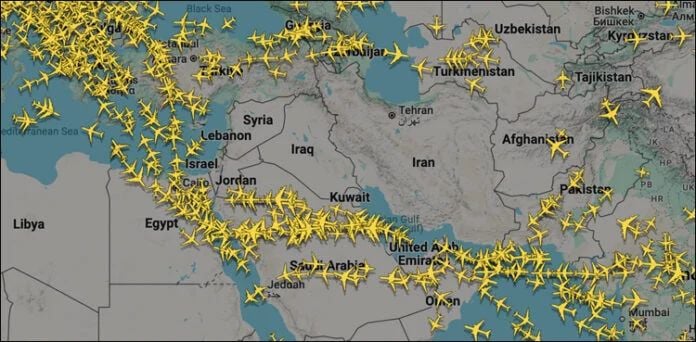
Widespread airspace closures, flight cancellations, and soaring operational costs have placed enormous pressure on carriers operating across the Middle East and beyond.
Airspace Closures Disrupt Major Routes
Several countries in the region have restricted or closed their airspace due to security concerns. As a result, airlines have rerouted long‑haul flights, leading to longer travel times and increased fuel consumption.
Major hubs connecting Europe, Asia, and Africa have experienced delays, while thousands of passengers face cancellations and schedule changes.
Rising Fuel and Insurance Costs
In addition to route disruptions, airlines are grappling with higher fuel prices as geopolitical tensions push global oil markets upward. Insurance premiums for flights operating near conflict zones have also surged.
Therefore, carriers must absorb mounting costs while managing reduced passenger demand.
Financial Impact on the Industry
Aviation analysts estimate that the combined losses could reach trillions of rupees if the conflict continues. Airlines that rely heavily on Middle Eastern transit corridors face the greatest exposure.
Moreover, cargo operations have suffered as supply chains encounter new logistical hurdles.
Broader Economic Ripple Effects
The aviation sector plays a critical role in global trade and tourism. Prolonged disruption could affect hotel bookings, international business travel, and cross‑border commerce.
Industry leaders are now urging diplomatic efforts to stabilize the region and restore safe air corridors.
Outlook
Airlines continue to monitor the situation closely. While contingency plans remain in place, further escalation could deepen financial losses and prolong travel chaos.
For now, the industry braces for continued volatility as geopolitical tensions reshape global flight operations.