

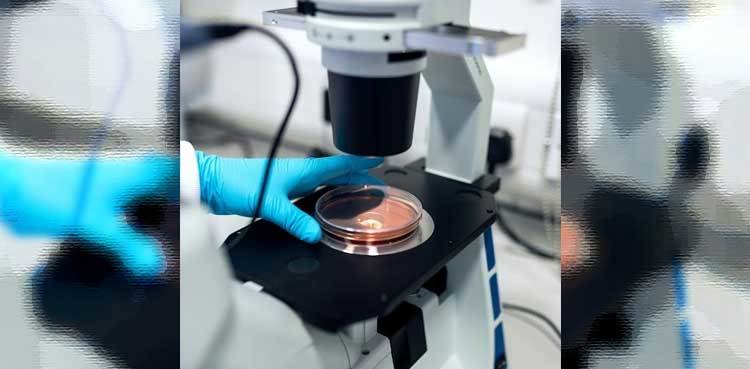
AHK‑Cu is emerging as a subject of interest in scientific research focused on peptide‑mediated regulatory systems. Although still largely speculative, researchers are examining how this copper‑bound peptide complex may influence cellular signaling and biological regulation.
Peptides play a central role in coordinating cellular communication. Therefore, compounds such as AHK‑Cu are being explored for their theoretical impact on gene expression, tissue repair pathways, and molecular signaling networks.
Understanding Peptide‑Mediated Regulation
Peptides function as biological messengers that bind to receptors and trigger specific intracellular responses. In many systems, copper ions act as cofactors that stabilize peptide structures and enhance their biological activity.
AHK‑Cu is believed to combine amino acid sequences with copper binding properties. As a result, researchers are investigating whether it may support structural stability or regulatory efficiency at the cellular level.
Potential Research Pathways
While definitive conclusions remain premature, current research discussions center on several theoretical areas:
- Cellular regeneration mechanisms
- Collagen synthesis signaling
- Oxidative stress modulation
- Protein‑binding interactions
- Tissue remodeling processes
In addition, scientists are exploring how peptide‑copper complexes interact with enzymes and transcription factors that govern cellular repair.
Structural and Molecular Considerations
Copper peptides have previously demonstrated roles in wound healing and extracellular matrix maintenance. Therefore, AHK‑Cu is being evaluated within similar biochemical frameworks.
Researchers speculate that its molecular architecture could influence intracellular pathways through receptor‑mediated activation or antioxidant modulation. However, controlled laboratory validation remains essential.
Current Limitations
It is important to note that research on AHK‑Cu remains in early or exploratory stages. Most findings are theoretical or derived from related peptide models.
Consequently, further peer‑reviewed studies are required to determine safety profiles, mechanism specificity, and long‑term biological effects.
Broader Scientific Implications
If future research confirms regulatory potential, AHK‑Cu could contribute to broader understanding of peptide‑driven cellular architecture. Moreover, it may offer insights into how trace minerals such as copper enhance biological signaling networks.
For now, the compound remains a topic of academic interest rather than clinical application.
Conclusion
AHK‑Cu represents a promising yet speculative frontier in peptide research. As scientists continue to examine its molecular structure and potential regulatory functions, clearer insights may emerge regarding its role in biological systems.
For the latest updates on this developing story, stay tuned to Faiz.tv.