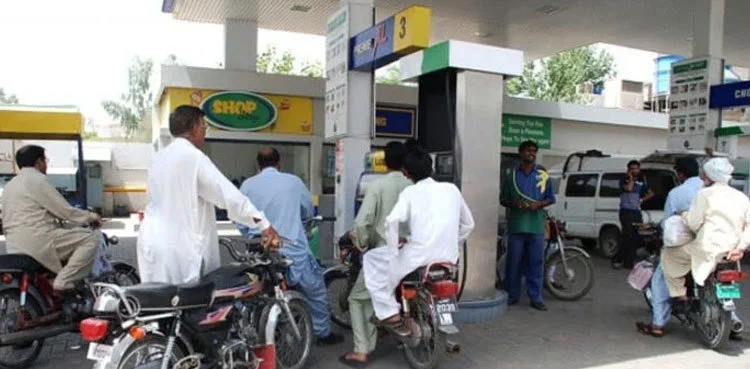

Islamabad — A recent increase in petrol prices has pushed weekly inflation higher in Pakistan, adding pressure on household budgets and transport costs across the country.
According to data released by the Pakistan Bureau of Statistics, the rise in fuel prices contributed significantly to the latest jump in the Sensitive Price Indicator (SPI), which tracks short‑term inflation trends.
Petrol Prices Drive Weekly Inflation
Officials say the increase in petrol prices directly affected transportation and logistics costs. As a result, prices of several essential goods also increased during the week.
The SPI measures the price movement of essential commodities such as food items, fuel, and utilities across different income groups.
Analysts note that fuel costs often have a wide ripple effect because transportation plays a key role in the supply chain.
Impact on Consumers
Higher petrol prices are likely to affect daily commuters and businesses alike. Transport fares, delivery charges, and logistics costs usually rise when fuel prices increase.
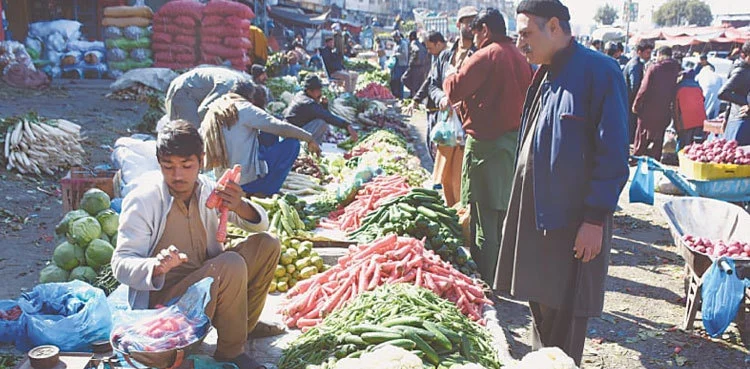
Economists say these changes can quickly translate into higher prices for vegetables, fruits, and other essential items in local markets.
Government Monitoring Prices
Authorities say they are monitoring inflation trends closely and reviewing market conditions. Officials from the Ministry of Finance stated that the government continues to assess global oil prices and exchange rate movements while setting domestic fuel prices.
Energy analysts add that fluctuations in international oil markets often influence local fuel rates in Pakistan.
Outlook
Economists believe inflation may remain sensitive to changes in fuel prices and supply chain costs in the coming weeks.
However, they say stable global energy prices and improved market supply could help ease pressure on consumers in the near future.