
Garments produced for global fast‑fashion brands are piling up in factories and warehouses across South Asia after the conflict involving Iran disrupted regional air cargo routes.
Airlines have grounded or rerouted flights due to security risks in the region. As a result, exporters face delays in shipping clothing to key international markets.
Flight Disruptions Hit Supply Chains
Air cargo plays a major role in the fast‑fashion industry because brands rely on quick deliveries to stores and online customers.
However, the conflict has forced many airlines to avoid certain air corridors near Iran. Therefore, cargo flights from South Asia to Europe and other destinations have slowed significantly.
Manufacturers say the disruptions have created bottlenecks in logistics networks.
Garment Factories Feel the Pressure
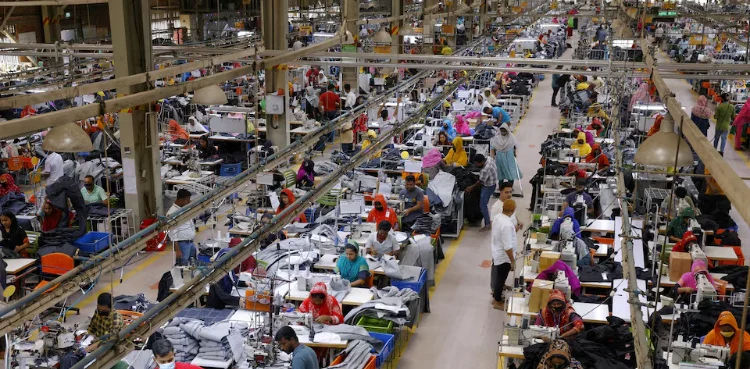
Factories in countries such as Bangladesh, India, and Pakistan produce large volumes of clothing for global retailers.
Because shipments cannot leave on time, finished garments are accumulating in warehouses and factory storage areas.
Additionally, delayed deliveries may affect production schedules and payment cycles for manufacturers.
Retailers Face Delays
Fast‑fashion brands depend on rapid supply chains to keep stores stocked with new styles.
Therefore, prolonged transport disruptions could delay seasonal collections and reduce sales in international markets.
Retailers may also face higher logistics costs as airlines reroute flights or shift cargo to alternative routes.
Uncertain Outlook
Industry experts say the situation will depend largely on how long regional airspace restrictions remain in place.
If the conflict involving Iran continues to affect aviation routes, garment exporters across South Asia could face extended supply chain disruptions.