
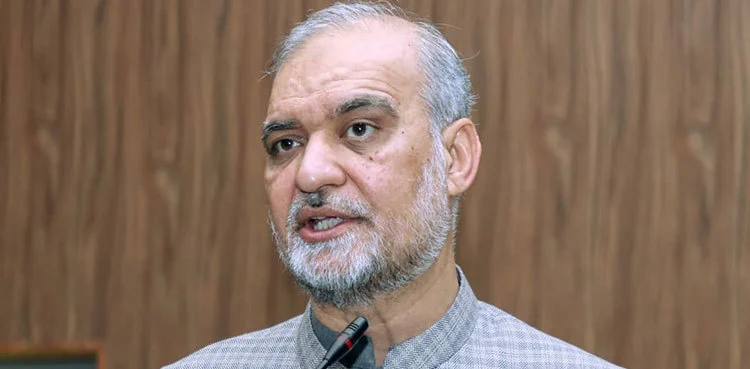
Jamaat-e-Islami leader Hafiz Naeem-ur-Rehman has strongly criticized the government’s decision regarding the solar net-metering rates cut, calling the move “economic terrorism” against the public. He said the decision would discourage renewable energy adoption and place further financial pressure on citizens.
Speaking at a press conference in Karachi, Hafiz Naeem said the revised net-metering policy unfairly targets households that invested in solar systems amid rising electricity costs.
Background and Context
Pakistan has witnessed a significant rise in rooftop solar installations over the past two years. Many households and small businesses turned to solar energy to manage high electricity tariffs and frequent power outages.
Under the net-metering policy, consumers can sell surplus electricity generated from their solar panels back to the national grid. This mechanism allows users to offset their electricity bills.
However, the government recently approved changes that reduce the buyback rate for surplus solar power. Officials argue the revision aims to balance the financial burden on distribution companies and grid stability.
Solar Net-Metering Rates Cut: Key Details
According to the revised framework, the buyback rate for excess electricity exported to the grid has been lowered. The adjustment affects new solar net-metering applicants and may also influence future investment decisions.
Energy experts say the reduction could extend the payback period for solar systems. This may discourage middle-income households from adopting renewable energy solutions.
Government officials maintain that the change is necessary to address growing circular debt in the power sector. They argue that high buyback rates increase financial pressure on the system.
Hafiz Naeem, however, rejected this justification. He said ordinary citizens should not bear the cost of structural inefficiencies in the energy sector.
Official Statements and Political Reaction
Hafiz Naeem stated that the solar net-metering rates cut sends a negative signal to investors and consumers. He said the move contradicts Pakistan’s stated commitment to clean energy and climate goals.
He urged the government to review the decision and hold consultations with stakeholders, including renewable energy experts and consumer groups.
No immediate response was issued by the Ministry of Energy following his remarks. Previously, officials have emphasized that reforms are designed to ensure fairness across all categories of electricity consumers.
Political reactions from other opposition leaders are expected in the coming days, as the issue gains public attention.
Regional and Global Impact
Pakistan faces ongoing energy challenges, including high generation costs, transmission losses, and mounting circular debt. At the same time, global trends favor renewable energy expansion.
Several countries in the region are offering incentives to promote rooftop solar adoption. Analysts say policy consistency is critical for attracting long-term investment in the renewable sector.
The solar net-metering rates cut may slow Pakistan’s renewable growth if not managed carefully. Experts stress the need for balanced reforms that protect both grid stability and consumer confidence.
What Happens Next?
Energy stakeholders are likely to seek further clarification on the implementation timeline and scope of the revised policy. Industry associations may also propose amendments or alternative models.
If public pressure increases, the government could revisit certain aspects of the decision. However, for now, the revised rates remain in place.
Consumers considering solar installation may reassess financial calculations based on the new buyback structure.
Conclusion
The debate over the solar net-metering rates cut highlights broader concerns about Pakistan’s energy policy direction. While authorities cite financial sustainability, critics argue the move could undermine renewable energy growth.
The coming weeks may determine whether the government adjusts its stance or proceeds with the revised framework as planned.
For the latest updates on this developing story, stay tuned to Faiz.tv.