
Opinion: ICE’s Violent Escalation Has Been Trump’s Plan All Along
Recent confrontations involving U.S. Immigration and Customs Enforcement (ICE) have sparked heated debate about federal immigration policy and law enforcement tactics. Critics argue that the surge in ICE operations and associated violence in cities such as Minneapolis reflects a deliberate strategy under former President Donald Trump’s administration to escalate enforcement, rather than isolated incidents.
Enforcement Surge and Rising Tensions
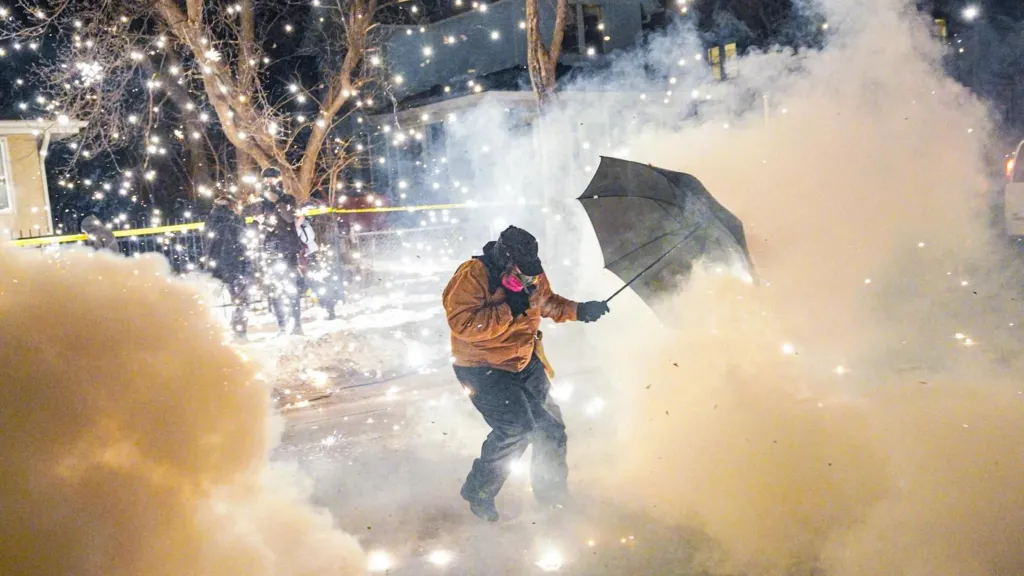
Since late 2025, federal authorities significantly increased ICE deployments in urban areas, particularly in Minnesota. This enforcement push aimed to detain and deport undocumented immigrants but has also led to a series of violent episodes. In at least one case, a woman was fatally shot by an ICE agent during a Minneapolis operation, which authorities describe as defensive, while local officials dispute that characterization.
Observers and lawmakers on both sides of the political spectrum note that such violent encounters are not isolated but have emerged alongside an intensification of ICE raids and arrests that include people without prior criminal convictions.
Strategic Enforcement or Policy Escalation?
Supporters of the enforcement strategy argue that ICE’s expanded operations stem from legal authority to uphold immigration law nationwide. They stress that federal agencies must act where local jurisdictions fail to enforce laws. However, critics maintain that the pattern of escalation aligns with political rhetoric that emphasizes hardline immigration enforcement.
Under Trump’s leadership, immigration enforcement saw renewed emphasis, with frequent statements warning against tolerance for undocumented migration and expanded use of federal agents. Critics argue that this environment normalizes aggressive tactics and raises the likelihood of violent clashes between agents and civilians.
Public Response and Political Fallout
The public response to recent ICE actions shows deep division. Local leaders, including Minnesota officials, called federal enforcement tactics dangerous and unnecessary, saying they risk civilian safety and inflame community tensions.
Nationally, some lawmakers have urged a reduction of ICE presence in cities, citing concerns over violence and civil liberties. Democratic Senate leadership has publicly called on the White House to scale back enforcement actions that “terrorize communities.”
At the same time, proponents argue that strong enforcement deters illegal crossings and protects public safety, framing ICE actions as necessary to uphold the rule of law.
The Broader Implications
The debate over ICE tactics highlights larger questions about U.S. immigration policy, federal‑local relations, and executive authority. The possibility that enforcement policies have been shaped by political objectives, rather than purely administrative priorities, fuels further scrutiny and public concern.
Moreover, incidents involving violence—whether perceived as justified or avoidable—tend to shape public perception more powerfully than abstract policy goals. As a result, clashes between federal agents and civilians risk deepening polarization and invite legal challenges and protests.
What Happens Next
As investigations continue and political debate unfolds, both supporters and critics will seek to influence future policy. Legal challenges against federal enforcement operations are already underway, and public attention remains high as communities across the U.S. grapple with the consequences of federal immigration actions.
Policy decisions in Washington and actions on the ground in cities like Minneapolis will likely continue to shape the narrative around enforcement tactics, public safety, and civil rights.
Conclusion
Whether viewed as a strategic choice or a convergence of policy and politics, the perceived escalation of ICE enforcement violence reflects broader tensions in U.S. governance and immigration policy. As debate continues, informed analysis and public dialogue will be essential to understanding the long‑term implications of these enforcement actions.
For continued analysis and verified updates on U.S. policy and international security, stay connected with Faiz.tv.