
Jakarta Overtakes Tokyo to Become World’s Largest City
JAKARTA: Indonesia’s capital Jakarta has officially surpassed Tokyo to become the world’s largest city, according to new global population estimates. The milestone marks a historic shift in urban demographics as Southeast Asia’s economic hub continues to expand rapidly.
Experts attribute Jakarta’s growth to intense urban migration, economic opportunities, and the dense population of the Greater Jakarta metropolitan region, also known as Jabodetabek.
Population Boom Redefines Global Urban Rankings
The Greater Jakarta area now surpasses Tokyo in total metropolitan population, ending Japan’s decades-long position as the world’s biggest city.
Key factors driving Jakarta’s surge include:
- High rural-to-urban migration
- Expansion of surrounding satellite cities
- Robust economic activity attracting workers
- Increased infrastructure connectivity in Jabodetabek
Meanwhile, Tokyo’s population has stagnated and in some areas declined, largely due to low birth rates and an ageing demographic.
Urban Challenges Amid Rapid Growth
While the achievement highlights Jakarta’s growing global significance, it also brings challenges. The megacity faces mounting pressure on:
- Transportation systems
- Flood management and climate resilience
- Housing demand
- Public services and infrastructure
Urban planners warn that without sustainable development strategies, Jakarta’s growth could strain resources and intensify environmental risks.
Indonesia’s Capital Relocation Plan
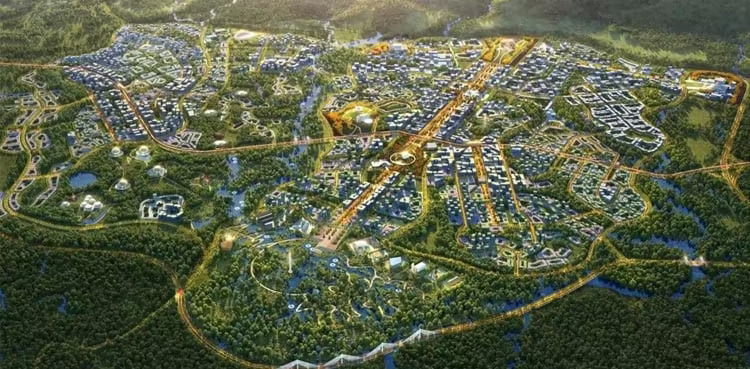
Indonesia continues to move forward with its plan to shift the national capital to Nusantara, located in East Kalimantan, to ease the burden on Jakarta. However, Jakarta will remain the country’s commercial and economic heart, and its expanding population underscores its importance to the region.
A demography expert told Faiz.tv:
“Jakarta becoming the world’s largest city reflects both its economic dynamism and the challenges of urban concentration. Planning ahead will be crucial.”
Global Significance
Jakarta’s rise signals a broader global trend — the continued growth of megacities in Asia and Africa, while traditional giants in Europe and East Asia face demographic decline.
Conclusion
Jakarta’s emergence as the world’s largest city marks a turning point in global urban demographics. As the metropolis expands, authorities face the dual challenge of harnessing its economic potential while addressing infrastructural and environmental pressures.
Follow Faiz.tv for updates on global demographic trends, urban development, and regional news.