
yson Foods to Close Major US Beef Plant as Cattle Supplies Dwindle
SPRINGDALE, ARKANSAS: Tyson Foods, one of the largest meat processors in the United States, announced plans to close a major beef processing plant due to dwindling cattle supplies and rising operational challenges. The move is expected to impact thousands of employees and further tighten the domestic beef market.
According to the company, the decision is a direct result of lower cattle availability, higher feed costs, and supply chain disruptions, which have made it increasingly difficult to maintain production levels at the facility.
Impact on Workers and Supply Chains
The plant, located in Logan County, Kansas, employs several hundred workers and plays a critical role in Tyson’s national beef production network. The closure could lead to temporary layoffs and production delays, potentially affecting grocery prices and beef availability in the coming months.
Tyson Foods stated:
“We are committed to supporting impacted employees with severance, retraining programs, and relocation assistance where possible. This decision was made to align production with current supply realities.”
Cattle Supply Shortages Hit the US Meat Industry
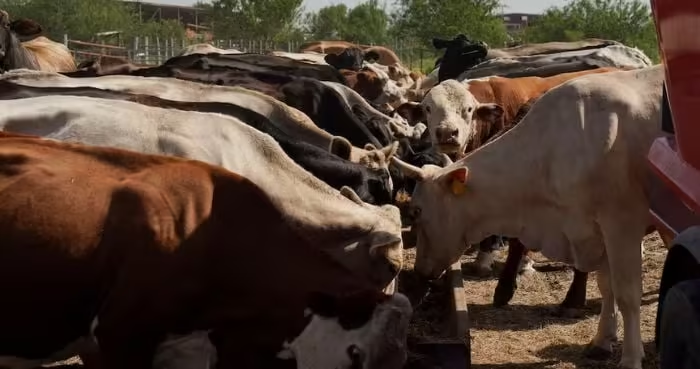
Experts say that drought conditions, high feed costs, and shifts in herd sizes have contributed to cattle shortages across the US. Many meat processors are reducing output or closing facilities temporarily to adjust to the tighter supply.
According to industry analysts:
- Beef production in the US has slowed due to lower cattle inventories
- Consumer prices for beef may rise as supply tightens
- Meatpacking plants are strategically adjusting operations to maintain efficiency
Tyson Foods’ Strategic Adjustments
Tyson has emphasized that the closure is part of a broader operational strategy to consolidate production at facilities with stronger supply chains and cost structures. The company continues to invest in automation and safety measures to improve efficiency at remaining plants.
Industry observers note that while this plant closure is significant, Tyson Foods remains one of the top suppliers of beef to supermarkets, restaurants, and exporters, with contingency plans in place to minimize disruption.
Potential Implications for the US Market
The closure may impact:
- Regional beef availability in certain US states
- Prices at grocery stores and restaurants
- Job market for meat processing workers
- Export commitments to global markets
Economists expect that if cattle shortages persist, consumer beef prices could increase by 5–10% over the next year.
Conclusion
Tyson Foods’ decision to close a major beef plant underscores the challenges facing the US meat industry amid cattle shortages and rising costs. The company plans to support affected workers while adjusting operations to ensure long-term production sustainability.
Follow Faiz.tv for updates on global meat markets, agriculture news, and industry developments.