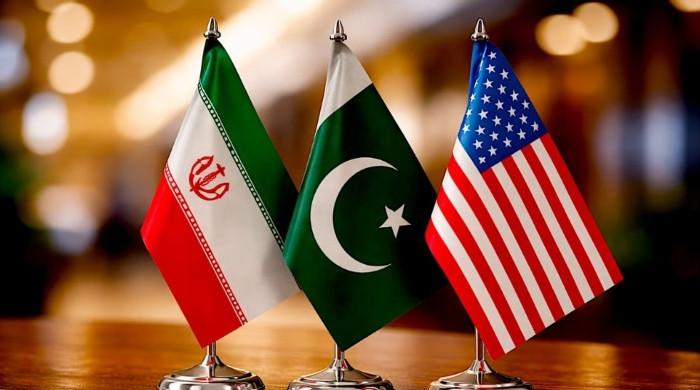

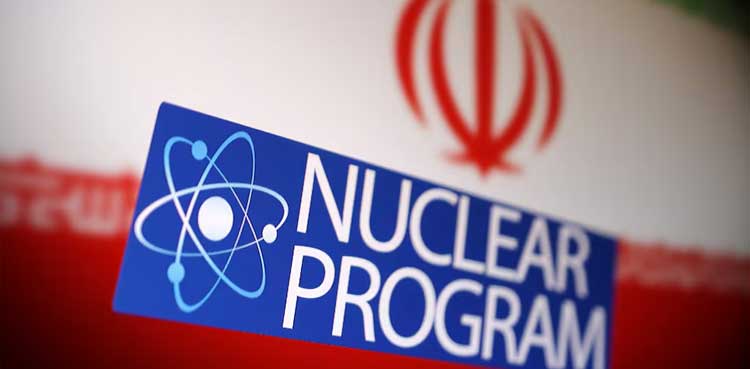
Tehran, October 18, 2025 — Iran announced that it is no longer bound by the restrictions of the 2015 nuclear agreement, known as the Joint Comprehensive Plan of Action (JCPOA), after the deal officially expired. The declaration marks a major shift in regional and global security dynamics as Iran signals greater independence over its nuclear program.
Iran Declares End of Commitments
In a televised statement, Iran’s Foreign Ministry confirmed that with the formal expiration of the JCPOA, Tehran will no longer observe uranium enrichment caps, centrifuge limits, or inspection protocols previously outlined in the agreement.
“With the JCPOA sunset clauses now expired, the Islamic Republic of Iran is no longer obligated to adhere to restrictions that unfairly targeted its sovereign rights,” the ministry said.
The Foreign Minister also stated that Iran would continue to cooperate with the International Atomic Energy Agency (IAEA) “under its own framework,” but not under previous binding conditions set by the 2015 accord.
Background: What Was the JCPOA?
The JCPOA, signed in 2015 between Iran and world powers — including the United States, United Kingdom, France, Germany, Russia, and China — aimed to limit Iran’s nuclear program in exchange for relief from economic sanctions.
However, the deal began unraveling in 2018 after the U.S. withdrawal under President Donald Trump, followed by Iran’s gradual rollback of compliance measures.
Under the agreement’s “sunset clauses”, several restrictions on Iran’s nuclear activities were set to expire after 10 years, including limits on advanced centrifuge research and uranium stockpile enrichment.
Regional and International Reaction
Western governments expressed concern over Tehran’s latest statement. The United States and European Union have called for urgent diplomatic engagement to prevent escalation, while Israel warned that Iran’s nuclear advancement poses a “direct threat” to regional stability.
Meanwhile, Iranian officials argue that continued sanctions and unfulfilled promises from Western powers left Tehran with no incentive to remain bound by a deal that was “never fully implemented.”
“Iran has fulfilled its obligations for years without receiving promised economic benefits,” said a senior Iranian diplomat. “The time for unilateral restraint is over.”
Experts Warn of Escalation
Analysts caution that the end of JCPOA restrictions could lead to heightened tensions in the Middle East, with fears of renewed confrontation between Iran, the West, and Gulf states.
Nuclear experts note that Iran now has the technical capacity to rapidly expand uranium enrichment, though Tehran insists its nuclear program remains peaceful and civilian-focused.
Conclusion
The expiration of the nuclear deal marks a turning point in global diplomacy with Iran, leaving uncertainty about the future of nuclear negotiations and regional stability. As tensions mount, world powers are likely to push for a new framework to prevent further escalation.
Follow Faiz.tv for the latest updates on global diplomacy and Middle East affairs.